

 Our Shared Values
 Our Business
 Our Achievements
 Our Governance
 Our Leadership
 Conservation Management & Monitoring
 Climate Change
 Community Engagement
 Partnerships & Memberships
 Human Rights & Labour
 Responsible Sourcing
 Responsible Production
 Certifications
 Sustainability Report
 Palm-based Food Products
 Other Food Products
 Oleochemicals
 Bioenergy
 Seeds
Seeds Sugar
Sugar Shipping & Logistics
 Food & Nutrition Innovation
 Animal Nutrition
 Press Releases
 Stories
 Meet Our Experts
 In the News
 Publications
 Shareholder Information
 Financial Highlights, Reports & Presentations
 SGX Filings
 Analyst Coverage
 Prospective Suppliers
 Support for Palm Suppliers
 Existing Non-Palm Suppliers
 FAQ
FAQ Graduates & Professionals
 Scholarships
 Internships & Traineeships

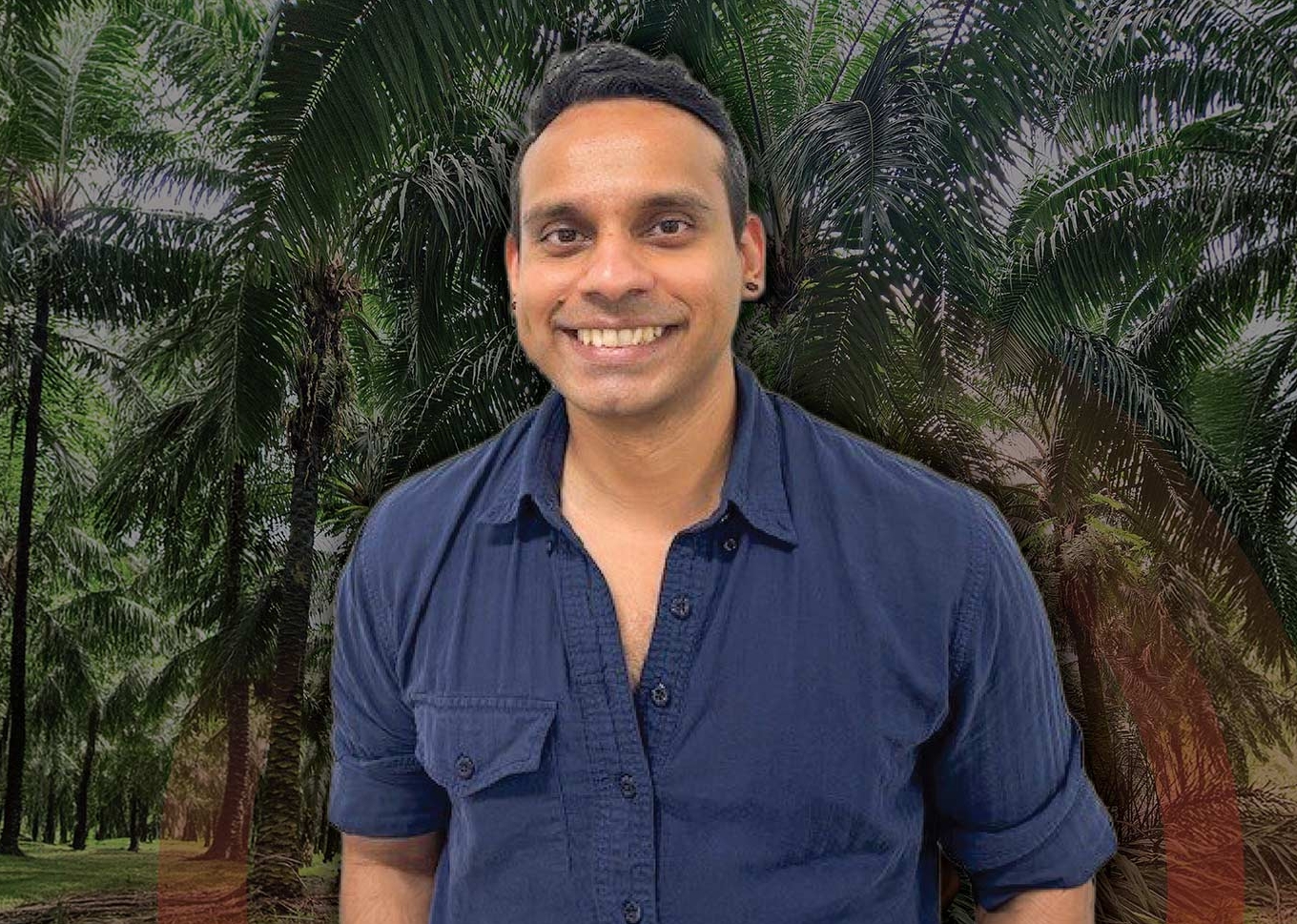
When people talk about partnerships, they often picture contracts and co-funding agreements. For Atika Luthfiyyah, that has never been the heart of the work.
Partnerships, to her, live in conversations that stretch over months. In checking back when nothing has moved yet. In choosing to stay present when outcomes remain unclear.
As a Partnership Specialist at GAR, Atika works between many worlds at once: business teams, external partners, and communities on the ground. Over time, she has learned that impact rarely happens all at once. It grows from what people give consistently, and with care.
Finding meaning through experience
Atika never planned a career in partnerships. Her early professional years moved across procurement, NGOs, funding, and impact consulting. At the time, each role felt useful, but separate.
Looking back, she sees how those experiences define her approach today.

One defining moment was her time as a management trainee in procurement. She was assigned to meet farmers – not to talk numbers, but to understand their challenges.
“I remember listening to farmers share their hopes and struggles,” she says. “That was when I realised that behind every price tag and harvest, there are real people trying to build a better life.”
That moment changed how she understood impact. More than numbers, it became tied to livelihoods. Years later, when she moved into partnerships, that perspective followed her. The partnership role allowed her to stay close to both decision-making and everyday realities. It brought together the parts of her work life that once felt separate.
“I remember thinking, this feels like the answer to a search I had been on for almost ten years,” Atika says. “That sense of connection is what makes this work feel purposeful,” she says.
It’s not about the paperwork

If you take a look at Atika’s desk, you might see plenty of contracts, budgets, and reports. But she’s quick to tell you that the paper isn’t the point. A contract is just a footprint of a much longer journey where people had to learn to trust each other.
She spends a lot of her time nudging her colleagues to look past the usual hurdles. One of her favourite questions? What would we do if resources weren’t the first thing we worried about?
“That question changes the energy in the room,” Atika explains. “It lets us stop stressing over constraints and start imagining what’s actually possible. Actual change starts when we give ourselves permission to dream a little bigger.”
How trust grows, slowly and unexpectedly
To Atika, trust isn’t something you can rush with a signature. It grows in small, often messy ways.

One of the best examples would be a collaboration that began with a simple question she raised during an online forum. There was no proposal attached and no immediate plan to build a programme. But the exchange opened a conversation with a customer who shared similar concerns around labour practices. After months of follow-up discussions, alignment began to form. What started as dialogue eventually developed into a customer-supported supplier transformation programme focused on human rights, implemented between 2024 and 2025.
“We didn’t rush it,” she says. “We spent months just showing up, chatting, and finding common ground. You have to be okay with staying in the conversation even when you aren’t sure where it’s going yet.”
This patient approach pays off in ways no one could predict. In Riau, GAR set up a childcare pilot in a single site that focused on improving early childhood care and caregiver capacity. The Community Economic Empowerment team brought the childcare transformation know-how to management and other units, while partnerships brought in the external partners needed to launch the trial. As the work continued and results became visible, interest grew across neighbouring areas.
Other childcare centres began adopting similar approaches, and members of the Dharma Wanita women’s group joined in, showing true community ownership.
Did You Know?
Childcare plays a quiet but critical role in rural communities. That’s why GAR partners with organisations like ADM Cares and Tzu Chi Indonesia to strengthen early childhood care around its plantations.
With more than 300 childcare centres across Indonesia, these partnerships focus on caregiver training, better facilities, and early learning support. In Riau, what began as a small pilot grew into wider community involvement, reaching hundreds of centres and supporting women in work and community life.
“When we first started, we didn’t think it would grow like this,” Atika reflects. “But that is the beauty of starting small. We focused on doing the work and sharing the results, which allowed the community to take the lead. Seeing them adopt it as their own is the ultimate proof of trust.”
Atika saw this same sense of shared ownership during field engagement under the Sawit Terampil programme. She witnessed women actively involving themselves in everything, from administration to field activities.
“This level of participation cannot be demanded in the brief,” she says. “It happens when people feel they own the process. Seeing women lead in spaces they didn’t have before proved to me that the long, sometimes messy process of building relationships was worth it.”
Looking ahead: A human legacy
For Atika, the launch of Collective for Impact is a sign that things are changing for the better. It’s a shift from doing what’s expected to setting our own course in sustainability.
“It gives us room to breathe,” Atika says. “We’re no longer just reacting to what’s expected. We can be more deliberate, more thoughtful, and more aligned with our partners about where we’re trying to go together.”
When she thinks about the next ten years, Atika wants to leave behind a legacy that is more human.
“I want to leave behind a way of working that’s more than just KPIs,” she explains. “If we can make life a little easier for the people on the ground – if our own teams feel supported and the local communities actually feel a lift in their daily lives – then that’s the real win for me.”
Ultimately, she hopes this more human way of working proves to the next generation, especially to other women, that you don’t have to choose between business and heart.
“I want people to believe that making a difference is actually possible,” she says. “When you give pieces of yourself and build a real relationship with people and the land they live on, lasting change is inevitable.”
What giving to gain looks like in partnership work #givetogain
International Women’s Day 2026 invites reflection on how growth happens when support goes both ways. In Atika’s work, giving shows up in simple but consistent ways: time, trust, and a willingness to stay engaged.
Those choices help partnerships take root. They create space for shared ownership, stronger collaboration, and outcomes that are impactful for everyone involved.
These moments are part of a wider story of partnerships at GAR. Explore our other story on how GAR works with partners to turn shared intent into lasting impact.