

 Our Shared Values
 Our Business
 Our Achievements
 Our Governance
 Our Leadership
 Conservation Management & Monitoring
 Climate Change
 Community Engagement
 Partnerships & Memberships
 Human Rights & Labour
 Responsible Sourcing
 Responsible Production
 Certifications
 Sustainability Report
 Palm-based Food Products
 Other Food Products
 Oleochemicals
 Bioenergy
 Seeds
Seeds Sugar
Sugar Shipping & Logistics
 Food & Nutrition Innovation
 Animal Nutrition
 Press Releases
 Stories
 Meet Our Experts
 In the News
 Publications
 Shareholder Information
 Financial Highlights, Reports & Presentations
 SGX Filings
 Analyst Coverage
 Prospective Suppliers
 Support for Palm Suppliers
 Existing Non-Palm Suppliers
 FAQ
FAQ Graduates & Professionals
 Scholarships
 Internships & Traineeships
To many, peatlands may look like just an expanse of wet soil. But beneath their unassuming surface lies a powerhouse of nature – an ecosystem essential to water management, biodiversity, and climate stability. Peatlands store more carbon than all the world’s forests combined, making them one of nature’s most potent allies in the fight against climate change.
However, when these delicate landscapes are drained, burned, or cleared, they release that stored carbon, transforming from environmental assets into liabilities. That’s where GAR steps in. We’re actively working to reverse this damage by rewetting, revegetating, and revitalising these vital lands to ensure they can continue to support future generations.
Join Gilang Moehammad Nugraha, GAR’s Head of Nature-Based Solutions, as he guides us through the importance of peatlands and the efforts underway to restore these degraded ecosystems into flourishing, carbon-storing landscapes once again.
Table of contents [show/hide]
What makes peatlands special?

Peatlands are far more than just wet, marshy landscapes – they are vital ecosystems with benefits that extend well beyond what meets the eye. Acting as nature’s water reservoirs, peatlands help regulate water flow, prevent flooding, and maintain water quality for the surrounding areas. They also provide a sanctuary for rare and endangered species, creating habitats that support biodiversity found nowhere else on Earth.
How much of the Earth’s surface is covered by peatlands?
“Peatlands act as massive carbon stores, helping to mitigate climate change by locking away carbon in their saturated soil. But their fragility makes them vulnerable to degradation, which can turn them into significant sources of greenhouse gas emissions,” explains Gilang.
The immense carbon storage capacity of peatlands underlines their value as natural climate stabilisers. However, human activities such as drainage, land clearing, and burning can disrupt their delicate balance, leading to devastating environmental consequences.
For GAR, protecting peatlands is a top priority. Since 2010, we have committed to No Deforestation and No Peat policies, ensuring we do not develop land on peat soil, no matter the depth. This commitment was further solidified in 2015 with the formal adoption of the GAR Social and Environmental Policy (GSEP), reinforcing our dedication to safeguarding these irreplaceable ecosystems for the future.
The road to recovery: Step-by-step peat restoration
Restoring degraded peatlands is a detailed process that requires science, innovation, and the cooperation of local communities. At GAR, this journey follows the 3R framework – Rewetting, Revegetation, and Revitalisation – a holistic approach to bringing life back to these fragile ecosystems while creating benefits for the people who rely on them.
1. Rewetting: Bringing water back


The first step in peat restoration is rewetting – restoring the natural water balance to the land. Drained peatlands lose their ability to retain water, making them highly flammable and prone to decomposition, which releases significant amounts of carbon dioxide.
To address this, GAR rehydrates peatlands by raising the water table sustainably. The Indonesian Ministry of Environment mandates a minimum water table level of -40 cm below the surface. GAR goes beyond this requirement by expanding rewetting efforts and often maintaining water levels higher than the minimum standards. This proactive approach moistens peatlands, lowers the risk of fires and carbon emissions, and supports long-term restoration and carbon storage.

Do you know how much can rewetting reduce fire risks in peatlands?
2. Revegetation: Restoring nature’s greenery


Once the peatland’s water levels are stabilised, the next step is to bring back the plants. Revegetation involves reintroducing native species that are well-suited to peatland conditions. These plants play a vital role in stabilising the soil, promoting biodiversity, and accelerating the ecosystem’s recovery.

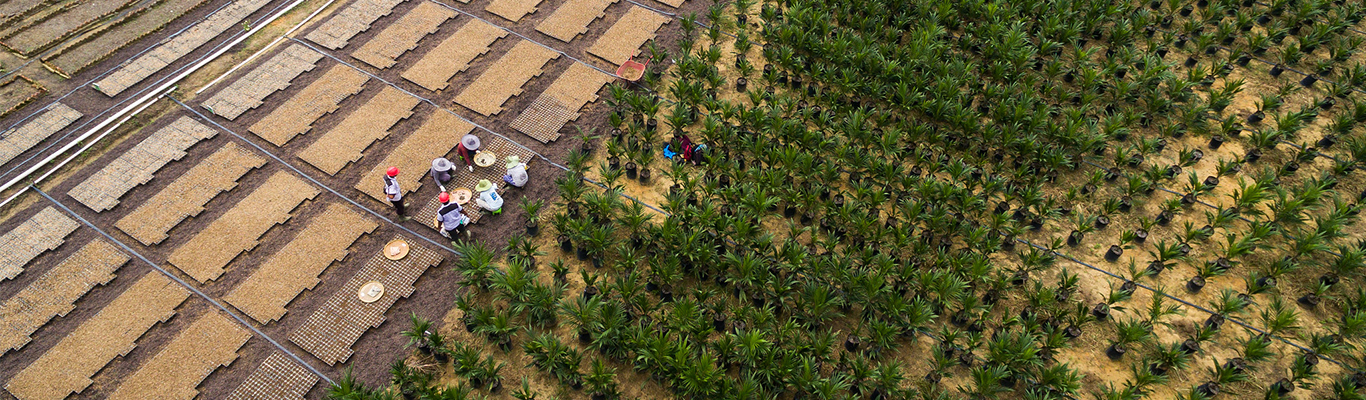
GAR’s revegetation process begins with surveys to identify the right species for the area. Open or shrubland peatlands are prepared for planting, and native species are introduced to mimic the natural ecosystem. As plants grow, they attract wildlife back to the area, gradually restoring the ecological balance.
3. Revitalisation: Empowering local communities


Peat restoration is also more than just rejuvenating the land – it’s also about supporting the communities that depend on it.
At GAR, revitalisation goes hand in hand with creating sustainable livelihoods for local residents, ensuring that they not only benefit from restored peatlands but also play an active role in their conservation.
In many areas, local communities contribute directly to the restoration process, whether by growing seedlings for revegetation or managing nurseries. GAR works closely with these communities to develop income-generating activities that are both sustainable and suited to the local environment, such as eco-tourism and other community-driven projects. These initiatives help improve community well-being while fostering a shared sense of responsibility for protecting these vital ecosystems for future generations.

“Our goal is to ensure that communities see the value of conservation. When they’re directly involved and benefit from the process, the restoration efforts become self-sustaining,” Gilang notes.
From our field: Reviving peatlands in West Kalimantan and Jambi

Our commitment to peat restoration goes beyond promises – it is about measurable, impactful action. In collaboration with major partners, GAR has revegetated over 1,600 hectares of degraded peatland in West Kalimantan and Jambi, creating vital buffer zones that protect surrounding ecosystems.
In West Kalimantan, we are implementing a comprehensive water management plan to keep the peat wet and prevent it from igniting during dry seasons. With ongoing efforts, we aim to complete the current phase of peat rehabilitation in this region by 2025.
In Jambi, the rehabilitation journey continues. The target is to restore 2,191 hectares of degraded peatland. The initial phase, involving the rehabilitation of 750 hectares, is set to be completed by 2027.
“Through careful mapping and community collaboration, we are demonstrating that even highly degraded peat can be rehabilitated with the right strategies and commitment,” says Gilang.
Which activity releases the most carbon from peatlands?

These restoration projects are already delivering tangible results:

Fire Reduction
Restored peatlands are far less prone to fires, even during dry seasons, mitigating a major environmental risk.

Biodiversity Preservation
Native vegetation has reintroduced critical habitats, supporting the return of diverse flora and fauna.

Carbon Emission Cuts
By reducing peat decomposition, these efforts contribute significantly to GAR’s Scope 1 emission reductions.
Why it matters?
Peat restoration is about more than saving land – it’s about fighting climate change, protecting biodiversity, and securing a sustainable future for communities.
This World Wetland Day, let’s recognise the vital role of peatlands and the urgent need to protect them.
Learn more about our peat rehabilitation efforts here.