

 Our Shared Values
 Our Business
 Our Achievements
 Our Governance
 Our Leadership
 Conservation Management & Monitoring
 Climate Change
 Community Engagement
 Partnerships & Memberships
 Human Rights & Labour
 Responsible Sourcing
 Responsible Production
 Certifications
 Sustainability Report
 Palm-based Food Products
 Other Food Products
 Oleochemicals
 Bioenergy
 Seeds
Seeds Sugar
Sugar Shipping & Logistics
 Food & Nutrition Innovation
 Animal Nutrition
 Press Releases
 Stories
 Meet Our Experts
 In the News
 Publications
 Shareholder Information
 Financial Highlights, Reports & Presentations
 SGX Filings
 Analyst Coverage
 Prospective Suppliers
 Support for Palm Suppliers
 Existing Non-Palm Suppliers
 FAQ
FAQ Graduates & Professionals
 Scholarships
 Internships & Traineeships

“‘Logistics is boring.’ That’s what I hear all the time,” says Indahwati, Head of Logistics Operations at Surabaya, Indonesia.
“The truth is that a job is only as boring as you believe it is. Spend one day inside a warehouse, and you’ll see how wrong that assumption is.”
Indahwati has built her career inside that warehouse. Before leading Logistics Operations at Surabaya, she worked across Production Planning and Inventory Control (PPIC), logistics and supply-demand planning, finished goods warehousing and plant operations. Each role gave her a different view on how a factory runs.
In food manufacturing, logistics is rarely visible. But it shapes everything that reaches the customers.
See what it takes to keep a food supply chain running with excellence.

Discipline that protects the product
“Logistics demands discipline and accuracy,” Indahwati expresses.
In food manufacturing, small mistakes travel far. Minor errors can affect production, storage, delivery, invoicing, and even customers and vendors. These slips also carry consequences for time, cost, quality, and customer satisfaction.
An incorrect receiving record can undermine traceability. A stock mismatch can disrupt raw materials planning. Incomplete documentation can delay both local and export shipments at the port. Whether you are handling raw materials or finished goods, precise timing and food safety compliance are directly tied to product quality.
“That’s why I insist so much on structure,” she explains. “In food, details protect the product. So, we document every movement properly and follow Standard Operating Procedures (SOPs) closely. We must make decisions based on accurate data.”
“It may look like I’m being very strict,” she adds, “but that is how we keep the team aligned, and how we protect the trust our customers place in us.”

Her position also places her in the middle of many conversations. Sales, PPIC, production, quality, procurement, finance, transport partners, regulators — logistics touches them all.
“Logistics sits at the core of all of it. It offers something few roles do: a full view of the business. That full view is what makes the work meaningful to me,” she reveals.
That perspective keeps her alert to knock-on effects. Her focus is on removing friction before others feel it and closing gaps before they hit the next link in the supply chain. Most days, no one notices. And that, she believes, is the point.
The Structure of Logistics Operations

Receiving materials
Verify. Record. Release.
- Check quantity and quality
- Confirm batch and documents
- Log into system

Warehouse Operations
Structure creates speed.
- Apply FIFO/FEFO*
- Track all movements
- Optimise storage space and ensure inventory accuracy (in quantity & placement)

Production Support
Right material. Right time
- Align with plant schedule
- Monitor stock levels
- Document transfers
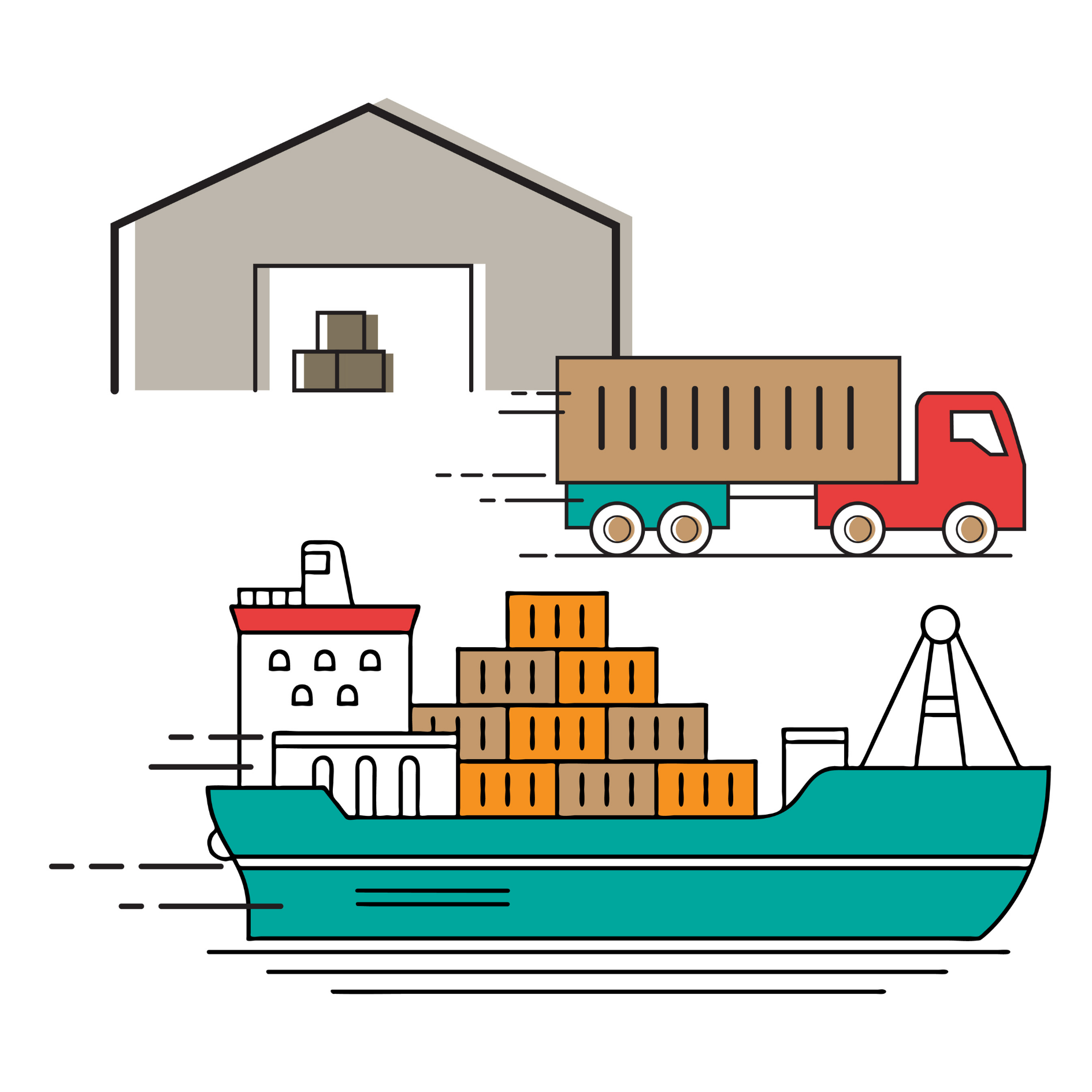
Transport & Dispatch
Accurate. On time. Compliant
- Plan deliveries
- Check loading accuracy
- Prepare shipment documents
- Fulfil orders and coordinate transport

Compliance & Improvement
Audit. Analyse. Strengthen.
- Ensure traceability
- Meet relevant regulations and/or requirements
- Build strong culture of food safety and safe operational practice
* First In, First Out / First Expired, First Out (FIFO/FEFO)
Staying ready for the next shift
A warehouse never truly stands still. Orders come. Trucks arrive. Systems update. Customer expectations rise.
“Logistics changes faster than people realise,” Indahwati says. “If we stay the same, we fall behind.”
For her, improvement starts with people. She invests in training across levels — from system literacy to operational analysis.

“Systems only work when people understand why they matter,” she explains. “I want my team to see the bigger picture.”
That belief in building people showed clearly when she led the implementation of the Warehouse Management System (WMS) in Unit Surabaya.
At the time, the warehouse relied heavily on manual documentation across spreadsheets and paper records. Confirming stock positions required cross-checking between departments. She saw an opportunity to strengthen the operation’s foundation.
So together with the Information Technology (IT) team and consultant, the team redesigned workflows, and remapped warehouse movements and product placement. They also carried out hands-on training on the floor to help everyone adapt to the new routines.
The adjustment took time. Team members came from varied educational backgrounds, and many were new to digital systems. Adapting required patience and steady mentoring, with clear goals to guide the team forward.
“It was a shift in habits,” she recalls. “People needed time to understand the system and to trust it. The system also had to fit the real conditions on the ground.”
But as confidence grew, results followed. Space was used more efficiently. Loading became faster and more structured. Delivery errors were reduced. Even traceability improved, offering clearer insight into stock movement and shipment history.
For Indahwati, the takeaway remains simple.
“Technology helps,” she says. “But what really drives improvement is people’s willingness to evolve and learn new things. We must always ask, ‘How can we do this better?’”
Trust that lifts the whole line
When Indahwati first joined Unit Surabaya, she inherited a team adjusting to new systems and higher standards. Her focus was on three things: trust, communication, and collaboration.
“My first step was clarity. We defined roles carefully and talked through expectations for each person. The goal was to ensure they understood how their work influences production schedules, transport timelines, and ultimately customer delivery,” she says.
At the same time, rather than directing every move, she encouraged team members to take ownership of their areas and supported them as they learned.
“People grow when they are trusted with responsibility,” she says. “Yes, they will make mistakes. But that is part of the process.”
Over time, that trust strengthened the team. Supervisors began proactively seeking solutions before escalation. Team members took initiative in improving documentation and re-checking stock. Confidence increased as accountability moved closer to the work itself
For her, that standard does not change, no matter who holds the role.
“Capability is capability,” she says. “If you can do the work, step forward.” She encourages women in her team to lead improvement projects, manage teams, and take on broader operational roles, even in functions traditionally dominated by men. The expectation remains the same: discipline, accountability, consistency.

For Indahwati, leadership is simple. “You give trust. You give responsibility. You give guidance,” she says. “When you give that first, the team becomes rock solid.”
Across warehouses and operation floors nationwide, women continue to shape the decisions that keep food moving safely and reliably. Indahwati stands among them — uncompromising in her standards and generous in her trust. Her influence shows in every team member who grows under her guidance. #givetogain
This International Women’s Day, her story is a reminder that leadership in supply chains rests on capability and commitment, regardless of gender.
Interested in meeting more women shaping our business? Meet Atika and Alexandra here.